

Mike Sandman... Chicago's Telecom Expert - 630-980-7710

Site Index Page    Request Catalog     Search our Site    Ordering Info    Send us Email

LONG LOOP ADAPTERS

Ring Voltage Booster II      Loop Current Booster

BOOST Loop Current and Ring Voltage

Our Loop Current Booster and Ring Voltage Booster II™ will let you extend the distance that an analog station port (OPX) or telephone line will work.

You only need to use the Booster that will help your problem, either trouble ringing or low talk battery / loop current. It's unlikely you'll need both, unless the pair is very long or the analog station port is particularly weak.

Because you only need to purchase the Booster that fixes the particular problem on the line, you'll save money.

The combination of both the Loop Current Booster and Ring Voltage Booster™ is functionally equivalent to the old Proctor Long Loop Adapter (46222, or 46224).

While the Proctor Long Loop Adapter didn't pass Caller ID, CPC, or FSK, Neon or LED Message Waiting signals, all of our Boosters will pass those signals without a problem.

These Boosters won't interfere with Distinctive Ringing, Call Waiting, Call Transfer or 3-Way Calling features.

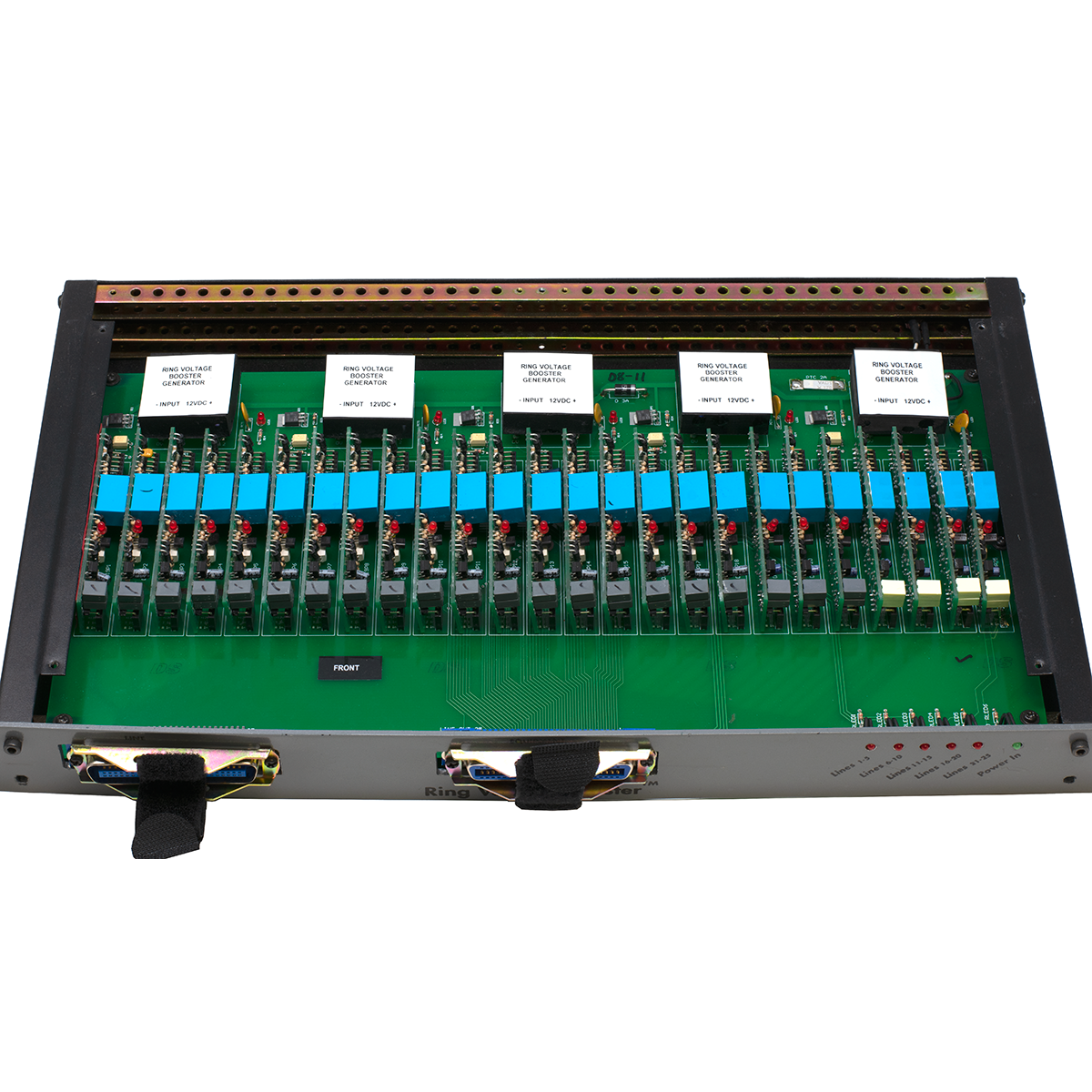
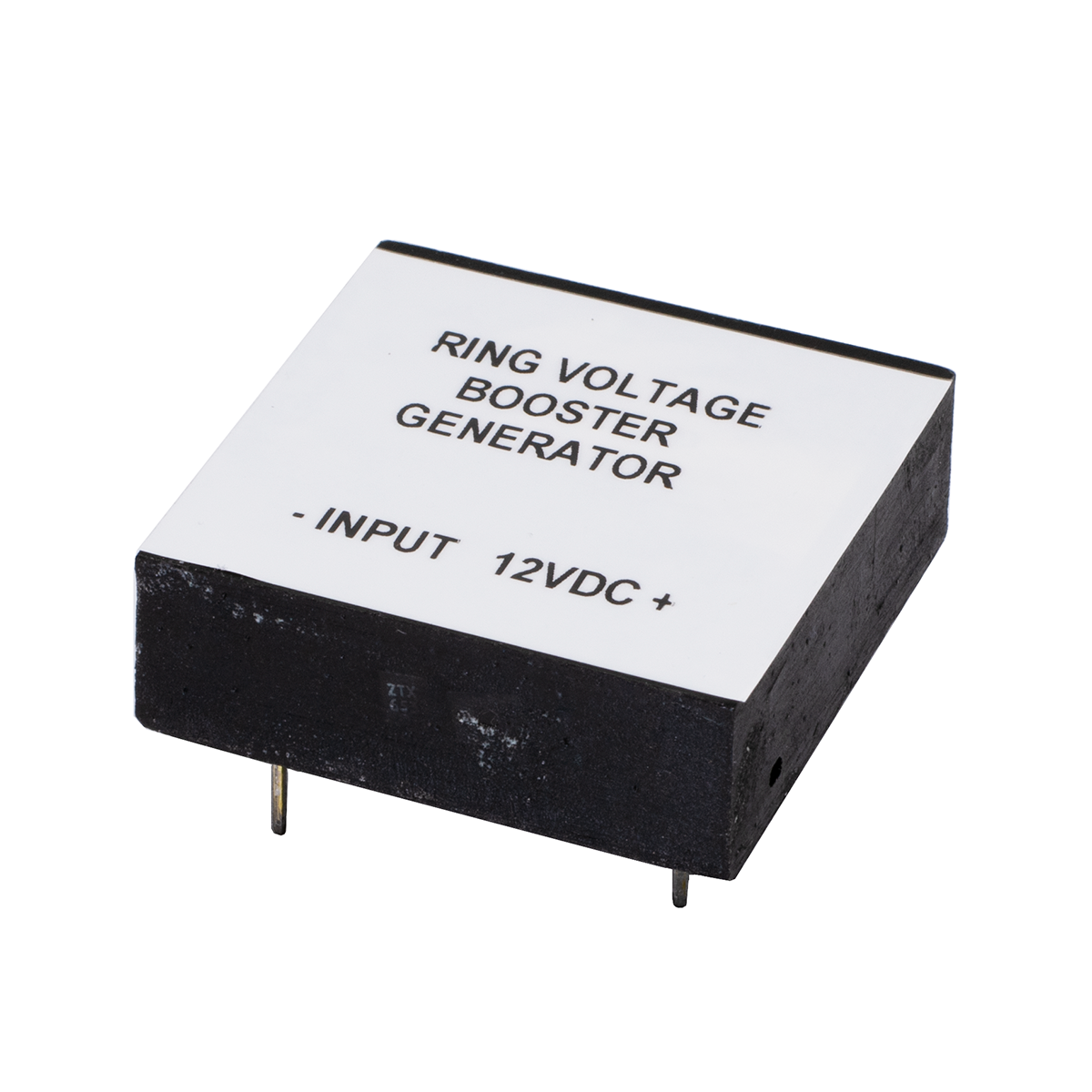
The Ring Voltage Booster II™ increases the ring voltage to 90VAC RMS at 20 cycles, with a 7.5 REN output, and a true SINE WAVE output which should be recognized by even the most finicky telephone equipment.

It's very difficult and expensive to amplify a 2 wire phone line if the volume is low. Our Boosters won't increase how loud the line is. More details on Circuit Loss are in our Loop Current and Circuit Loss Tech Bulletin.

Measuring ring voltage isn't easy! No two makes and models of meters will read the same on the same line (they could be as much as 10 volts off), and some modern digital meters just won't read AC voltage on a phone line, which always has DC talk battery on it too. You can see information on measuring AC ring voltage in our in our Ring Voltage Tech Bulletin.

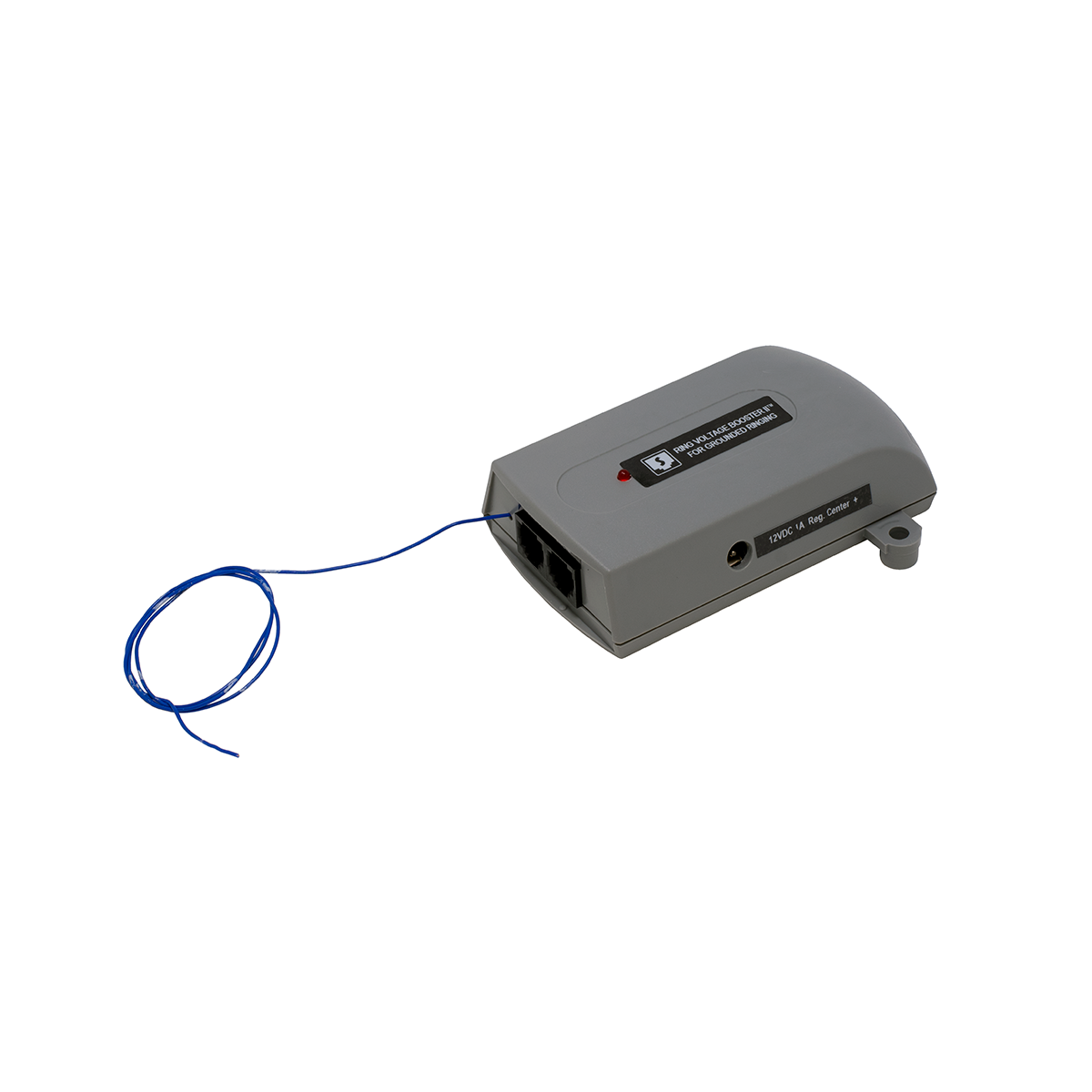
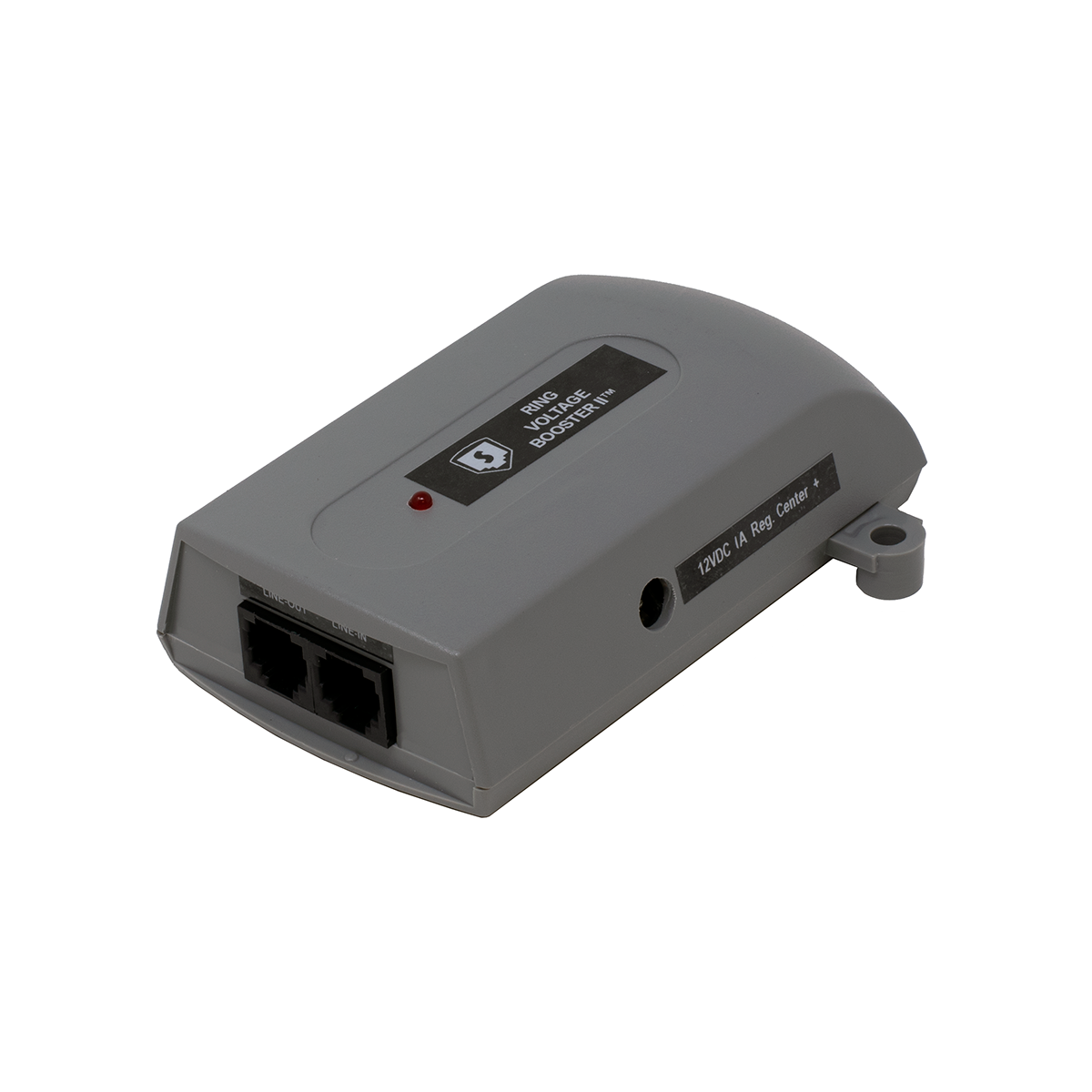
RING VOLTAGE BOOSTER II™

Ring Voltage Booster II


NEW!  Ring Voltage Booster II!


Ring Voltage Booster II™

Increases the Ring Voltage to
90VAC RMS at 20 cycles

Increases Ringing Current to 7.5 REN

True SINE WAVE should make
anything Ring!


The Ring Voltage Booster II™ provides 7.5 REN of 90VAC RMS Ringing to any telephone equipment wired in-series with the Booster. That's enough for more than 7 of the old style 2500 sets with bell ringers. Each of those phones uses 1 REN.

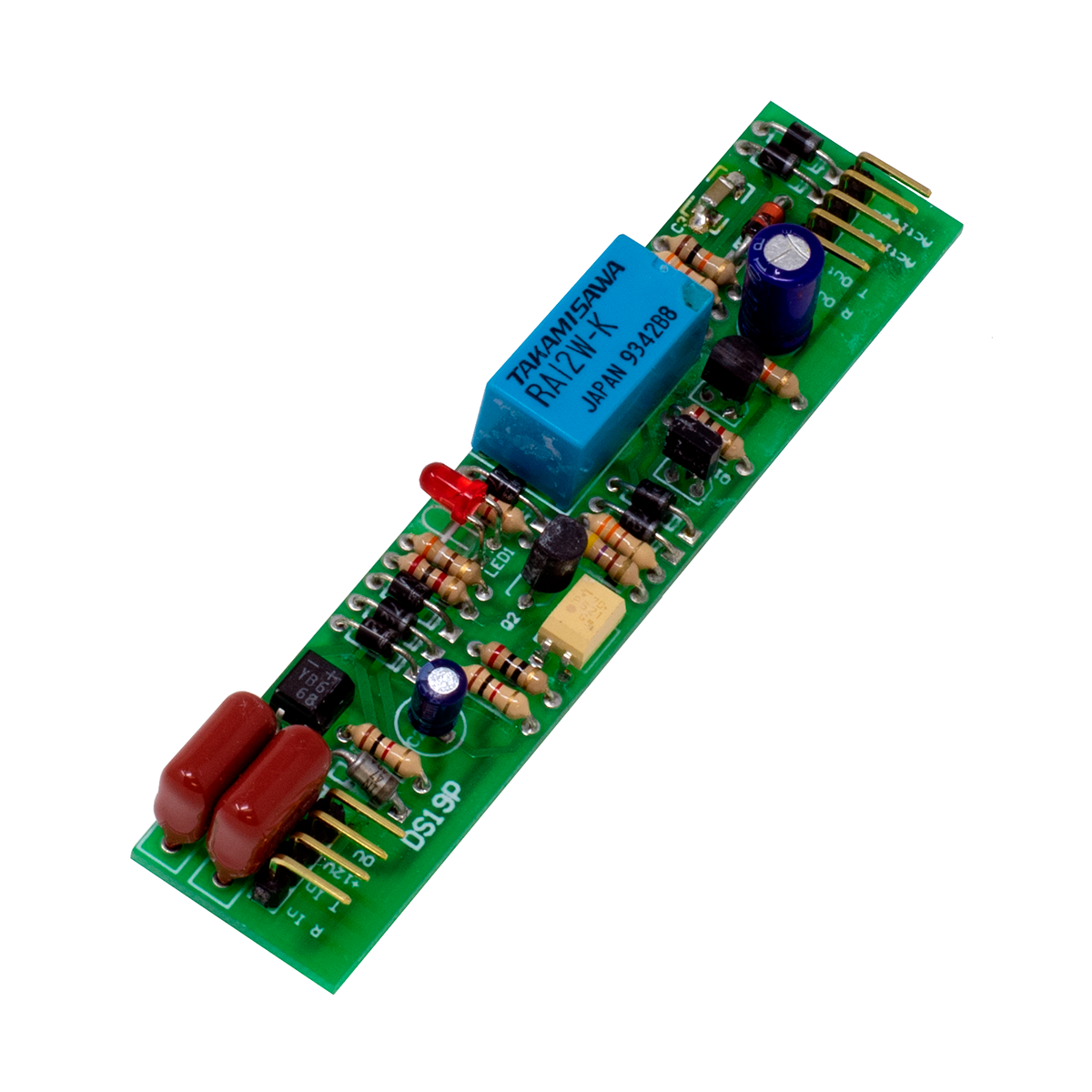
The Ring Voltage Booster II™ will boost ringing from as low as 30VAC RMS. It regenerates the ringing of the telephone line or station port, matching the ring pattern very closely. It does not change the talk battery voltage or loop current, and does not provide any audio gain. One Ring Voltage Booster II™ is required per line.

Boosts Ringing On:

  • Telephone Lines
  • Analog Station Ports
  • Analog ISDN Ports
  • T1 Channel Bank Ports
  • VoIP Adapter Analog Ports
  • Any Device that provides a Port for an Analog Telephone

A lot of modern telecom devices do a poor job of emulating
a real phone line, and have pretty bad ringing!

The telephone company normally provides 5 REN of ringing on a telephone line. Adding a Ring Voltage Booster™ will allow you to put over 11 REN worth of phones on a line. Plug around 4 REN directly into the line from the phone company, and plug 7 REN into the Ring Voltage Booster II™ (which would be bridged directly to the phone line).

You need to know how many REN you're putting on a phone line or adapter. The REN value is marked on the bottom of each modern phone. Most are now well under 1 REN, although some are more than 1 REN.

The Ring Voltage Booster II™ will boost the ringing from phone system analog station ports, which often have low ring voltage, less than 1 REN of ringing current, and a Square Wave for ringing (instead of a true SINE wave as provided by the real phone company).

The ring voltage standard is lower in Europe (around 60VAC RMS), so if the phone system or device providing dial tone and ring voltage was designed in Europe, the Ring Voltage Booster II™ could be the only way to get your CPE equipment to ring!

When used on an OPX (Off-Premise Extension), the Ring Voltage Booster II™ is normally placed at the far-end of the circuit (where the CPE equipment is), to regenerate the ring. You may need a Ring Voltage Booster II™ on each end of an OPX, particularly if the ringing is weak coming out of the phone system's station port and the OPX runs a long ways. You may need the Ring Voltage Booster II™ on the near end (at the PBX) if it's an OPX, and the phone company's equipment (like a repeater) doesn't recognize the ringing from the phone system's analog station port.

Has Modular Jacks for easy connection to the telephone line or station port, and the telephones.

There are no switches on the Ring Voltage Booster II™, but there is an LED will that will indicate when the ring voltage is being replaced (boosted).

The CPE equipment (telephones) on LINE-OUT will still work without 110VAC power applied to the Ring Voltage Booster II™, but you will have no boost of the ring voltage or current. It will simply pass the line through.

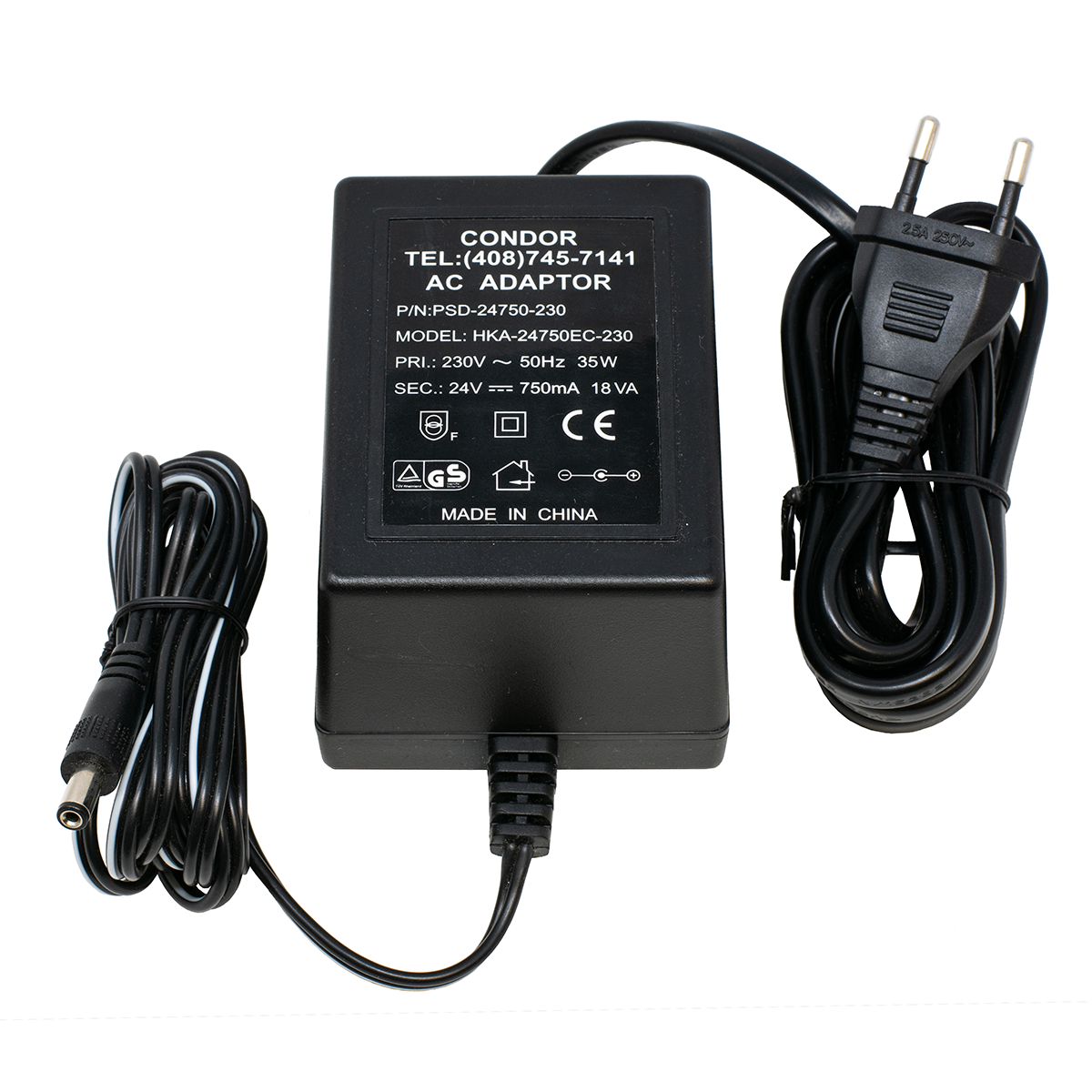
Comes in a plastic case, and includes a 110VAC to 12V 1000ma Regulated Power Cube.

220VAC International Power Cube is available.

Part Number: KIT8R   Price: $124.95    |||    3+ Price:   $112.00


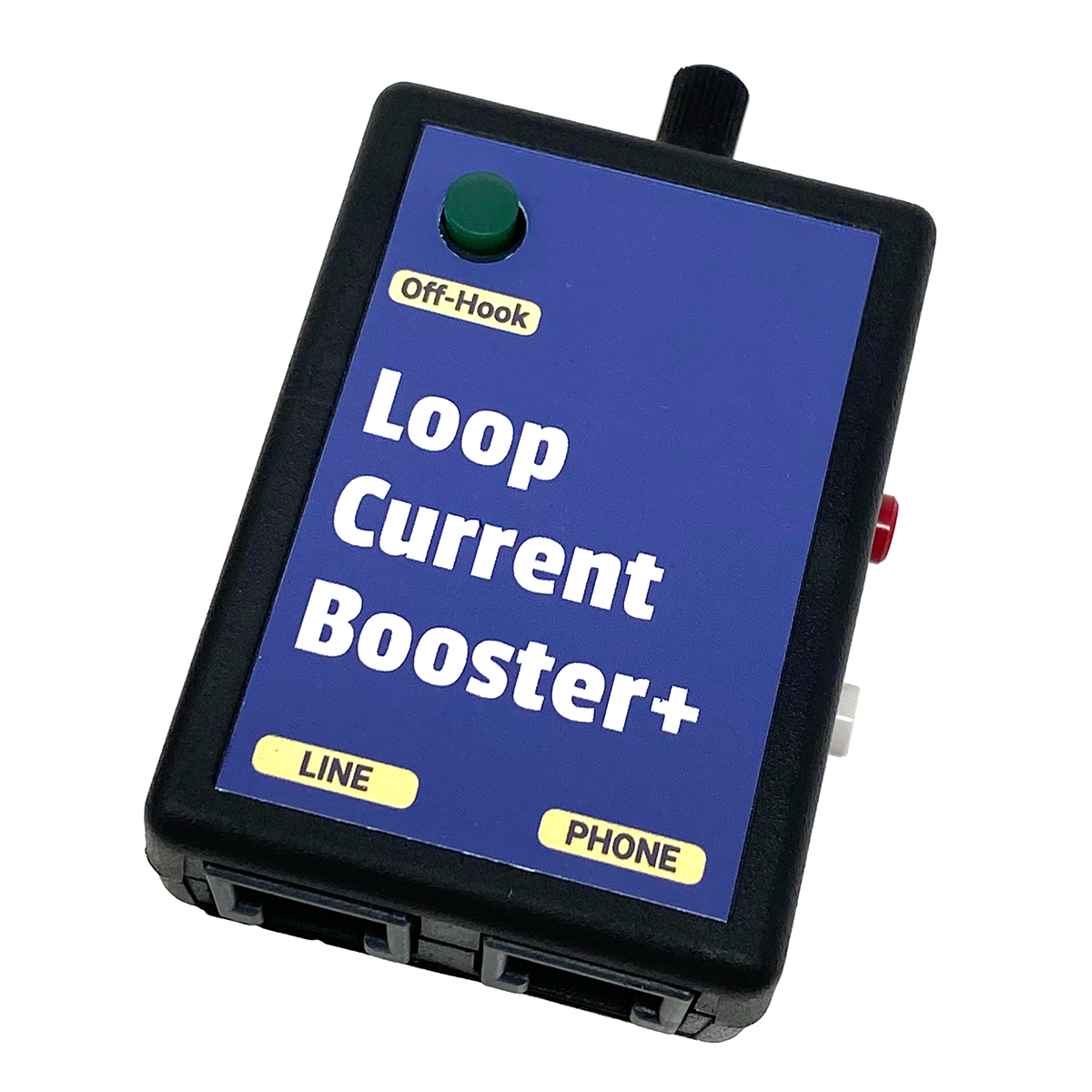
LOOP CURRENT BOOSTER™

Click to see a bigger picture of the Loop Current Booster

Loop Current Booster™

Increases the Loop Current to a Regulated 27ma

Increases the On-Hook Talk Battery by 24VDC

The Loop Current Booster™ simply adds 24VDC to the on-hook talk battery. If the on-hook (hung-up) talk battery on a line is 24V, the Loop Current Booster™ will raise the on-hook voltage to 48VDC.

The off-hook DC voltage would be the same as any phone line with 27ma of loop current.

The Loop Current Booster™ will boost loop current from a CO line or station port providing as low as 15ma of loop current, at 20 to 48VDC.

The Loop Current Booster™ does not change the ringing voltage or current, and does not provide any audio gain. One Loop Current Booster™ is required per line.

Some phone companies no longer offer any conditioning for an OPX. They won’t install repeaters or condition the line for you. The Loop Current Booster™ boosts the talk battery and loop current, so you can get many non-conditioned (or improperly conditioned) OPXs to work.

When used on an OPX (Off-Premise Extension), the Loop Current Booster™ is normally placed at the near-end of the circuit (where the dial tone originates). Modern phone system station ports typically have less than 48VDC talk battery, so placing the Loop Current Booster™ in-series between the station port and the telco OPX demarc will make the loop current and talk battery look more like a standard phone line to the phone company.

If there’s not enough loop current on a phone line or at the far-end of an OPX (below 23ma), phones will sometimes not work properly (they might have dialing and/or talking problems). When the Loop Current Booster™ is used in-series with the pair entering a premise, it increases the loop current and talk battery voltage. You may need a Loop Current Booster™ on each end of an OPX.

A Line In-Use LED indicator is located on the face of the Booster.

The CPE equipment (telephones) connected in-series with the Loop Current Booster™ will work without 110VAC power, but you will have no boost of the talk battery or loop current. It will simply pass the line through.

The Loop Current Booster™ has modular connections for both the telephone line or station port, and the telephone equipment.

Includes 110VAC to 24VDC 100ma unregulated power cube. Do not substitute a different power transformer!

220VAC International Power Cube is available.

Part Number: KIT8L   Price: $99.95    |||    3+ Price:   $89.95


Need to know what kind of Central Office the Phone Company is using?

How about the address of the Central Office?

Click Here to do a CO Lookup!  
Click Here
to do a CO Lookup!

Use our CO Lookup to find out which Phone Company owns the CO,
where the CO is, and how far it is from your customer's premise
using our
 Map It!  feature.

You'll also find all of the exchanges in that Central Office (the actual CO switch could have many exchanges, allowing it to go over 10,000 phone numbers), and find all of the other COs (colocated) at that address (there could be several).

Keep in mind that with the advent of Portability, there is no way to tell whether a particular phone number has been ported to another Phone Company without asking your customer (if they know!). You could try dialing 0 for the Operator, but it seems like most are now in India, and don't know who they're answering the line for (they just say they're the Operator).

If you use the local Phone Company's 1KC Tone on a phone number that's been ported to another Phone Company's switch, the readings probably won't be accurate. You'll need the 1KC Tone phone number in the CLEC's switch.

We need your local Test Numbers!

Our databse will now list Test Numbers for each switch (1KC Tone and Silent Termination), when we have that information. If you know the test numbers for some of the COs in your area, you can look up that CO, and then enter the information into a form. We'll test them (we don't want to keep calling someone's Grandmother!), and put them in the list within a day or two.

Since the database lists each CO individually, we need the information on specific COs. Although we can try to put general notes in the listing that will apply to an entire city, state or area code, the most useful information is specific test numbers for a particular CO. At this point, we don't have a lot of test numbers, but we're hoping that will change quickly!

At most COs, the 1KC Tone is always the exchange code plus a particular last four digits. In the Chicago area, 9996 and 9940 are popular for the 1KC tone, and 9939 or 9995 for Silent Termination. 9997 or some other number is used to open a circuit automatically for a few minutes from the CO for testing in the field (to remove talk battery so you can test with a Kick Meter or Sidekick).

If you know the common four digit station numbers that a particular Phone Company uses, you may be able to figure out the test number you need by trying those four digits with all the exchanges shown for that CO in CO Lookup (like XXX-9996). Since there are usually several exchanges working out of larger COs, the test numbers will only be on one of the exchanges.

As an example, if you do a CO Lookup on the 630-295 exchange, you'll find that there are quite a few exchanges working out of that CO (they all have the same CLLI code). Neither 630-295-9996 or 630-295-9940 give you a 1KC Tone, but if you try each of the exchange codes in that CO, when you get to 630-980 you'll find that 630-980-9940 gives your a 1KC Tone.

Note that on the list of exchanges working out of the same CO, there can be more than one area code in a Central Office. In the case of the CO that has the 630-295 exchange, there are several 847 area code exchanges. This is usually the result of area code splits, where the line between the two area codes went right through the area where a single Central Office served several cities.

When you need to do a CO Lookup, you'll find it right at the top of our main page at www.sandman.com

Click HERE to give it a try on your own CO right now!


NETWORK METER™ DVOM and CAT5 CABLE TESTER

Click to see a bigger picture of the Network Meter

Network Meter™

Accurate  DVOM
(Digital Volt Ohm Meter)

and

CAT5 Cable Tester
with Remote to test for Continuity and Splits


Click to see a bigger picture of the Network Meter in the Holster


Network Meter with Remote and 1 Foot Patch Cables Includes:
  • Digital Meter with 9V Battery
  • Holster with Police Style Belt Clip
  • Test Leads with Butt-set Style Bed-of-Nails Clips
  • Regular Meter Test Probes
  • Remote for the Cable Tester
  • Two 1 Foot Patch Cords
  • Zipper Case for Accessories

Meter Leads with Probes

Click to see bigger picture of Accessory Case for the Network Meter

            An Unbelievably Good Meter for a Phone Man, at a Very Reasonable Price!

We bought and tested lots of meters to find one that was accurate for the phone man who has to measure:

  • On and Off Hook DC Voltage
  • DC Loop Current
  • Induced AC Voltage on a Phone Line
  • AC Ring Voltage

It's amazing how many meters, even expensive ones, won't measure AC on a phone line. You know you can't use a meter for telephone work if the display just hunts from 50 to 100 to 10 to 200 to 30, etc., constantly. Most Flukes work OK.

Network Meter™ DVOM Features:

  • AC and DC Volts
  • AC and DC Current (DC mA for Loop Current)
  • Ohms
  • Continuity with Beeper
  • Hold Button to Freeze the Display
  • Large Numbers on the LCD Display
  • Bright White Backlight for the Display (Switchable On/Off)
  • CAT5 4 Pair Cable Tester with Remote (Shows Continuity and Split Pairs)
  • Flip Out Desk Stand, with Helpful Connection Tips under the Stand
  • Overvoltage Protection prevents Meter Damage
  • Comes with Regular 9V Heavy Duty Battery - Lasts an Incredibly long time!
  • NOTE: There is an RJ-11 Test on the Selector Switch that's not Implemented

The Network Meter™ is really easy to use!

Phone line and phone system problems are getting harder, and a meter is as important as ever for a phone man who needs to get problems fixed as quickly and efficiently as possible... before you replace the KSU!

The Network Meter™ is at least as good at reading AC ring voltage as the $800 to $1,000 Triplett Model 5 or Sidekick T&N Meters, and it's accurate on all of the other ranges too - including DC ma (for loop current).

I put 50VDC from a phone line into the Cable Tester and Remote RJ-45 jacks, as well as the meter's ohms range, and the meter still worked (no smoke!). Not all meters or cable testers can survive an accidental connection to a phone line - which is a real possibility when we're out in the field. With PoE (Power over Ethernet), a lot of CAT5 jacks in offices are going to have 48VDC on one of the pairs that can instantly destroy a cable tester without overvoltage protection.

See the Ring Voltage Tech Bulletin for more information on ringing problems, and reading AC voltages on phone lines.

Part Number: TOH3A   Price: $89.95    |||    3+ Price:   $79.95

REPLACEMENT METER LEADS

Replacement Meter leads with Banana Plugs Standard Replacement Banana Plug Meter Leads

Part Number: MSC3B   Price: $6.95


ECONOMY NETWORK METER™ DVOM and CAT5 CABLE TESTER

Economy Network Meter - DVOM

ECONOMY Network Meter™

A GREAT DVOM (Meter) that reads AC on a phone line
correctly, and also tests the continuity of CAT5 cables...
at an Unbelievable Price!

Accurate DVOM (Digital Volt Ohm Meter) and
CAT5 Cable Tester with Remote
to test for Continuity and Splits

Includes:

  • Digital Meter with 9V Battery
  • Regular Meter Test Probes
  • Remote for the Cable Tester

            An Unbelievably Good Meter for a Phone Man, at a Very Reasonable Price!

We bought and tested lots of meters to find one that was accurate for the phone man who has to measure:

  • On and Off Hook DC Voltage
  • DC Loop Current
  • Induced AC Voltage on a Phone Line
  • AC Ring Voltage

It's amazing how many meters, even expensive ones, won't measure AC on a phone line. You know you can't use a meter for telephone work if the display just hunts from 50 to 100 to 10 to 200 to 30, etc., constantly. Most Flukes work OK.

ECONOMY Network Meter™ DVOM Features:

  • AC and DC Volts
  • AC and DC Current (DC mA for Loop Current)
  • Ohms
  • Continuity with Beeper
  • Hold Button to Freeze the Display
  • Large Numbers on the LCD Display
  • Bright White Backlight for the Display (Switchable On/Off)
  • CAT5 4 Pair Cable Tester with Remote (Shows Continuity and Split Pairs)
  • Flip Out Desk Stand, with Helpful Connection Tips under the Stand
  • Overvoltage Protection prevents Meter Damage
  • Comes with Regular 9V Heavy Duty Battery - Lasts an Incredibly long time!
  • NOTE: There is an RJ-11 Test on the Selector Switch that's not Implemented

The ECONOMY Network Meter™ is really easy to use!

Phone line and phone system problems are getting harder, and a meter is as important as ever for a phone man who needs to get problems fixed as quickly and efficiently as possible... before you replace the KSU!

The ECONOMY Network Meter™ is at least as good at reading AC ring voltage as the $800 to $1,000 Triplett Model 5 or Sidekick T&N Meters, and it's accurate on all of the other ranges too - including DC ma (for loop current).

I put 50VDC from a phone line into the Cable Tester and Remote RJ-45 jacks, as well as the meter's ohms range, and the meter still worked (no smoke!). Not all meters or cable testers can survive an accidental connection to a phone line - which is a real possibility when we're out in the field. With PoE (Power over Ethernet), a lot of CAT5 jacks in offices are going to have 48VDC on one of the pairs that can instantly destroy a cable tester without overvoltage protection.

See the Ring Voltage Tech Bulletin for more information on ringing problems, and reading AC voltages on phone lines.

Part Number: TOH3B   Price: $44.95    |||    3+ Price:   $42.95    |||    10+ Price:   $39.90

Google
Web sandman.com

  
Site Index Page Request Catalog Search our Site Ordering Info Send us Email

VISA MASTERCARD AMEX
630-980-7710

Copyright © 2008 Mike Sandman Enterprises, Inc.